
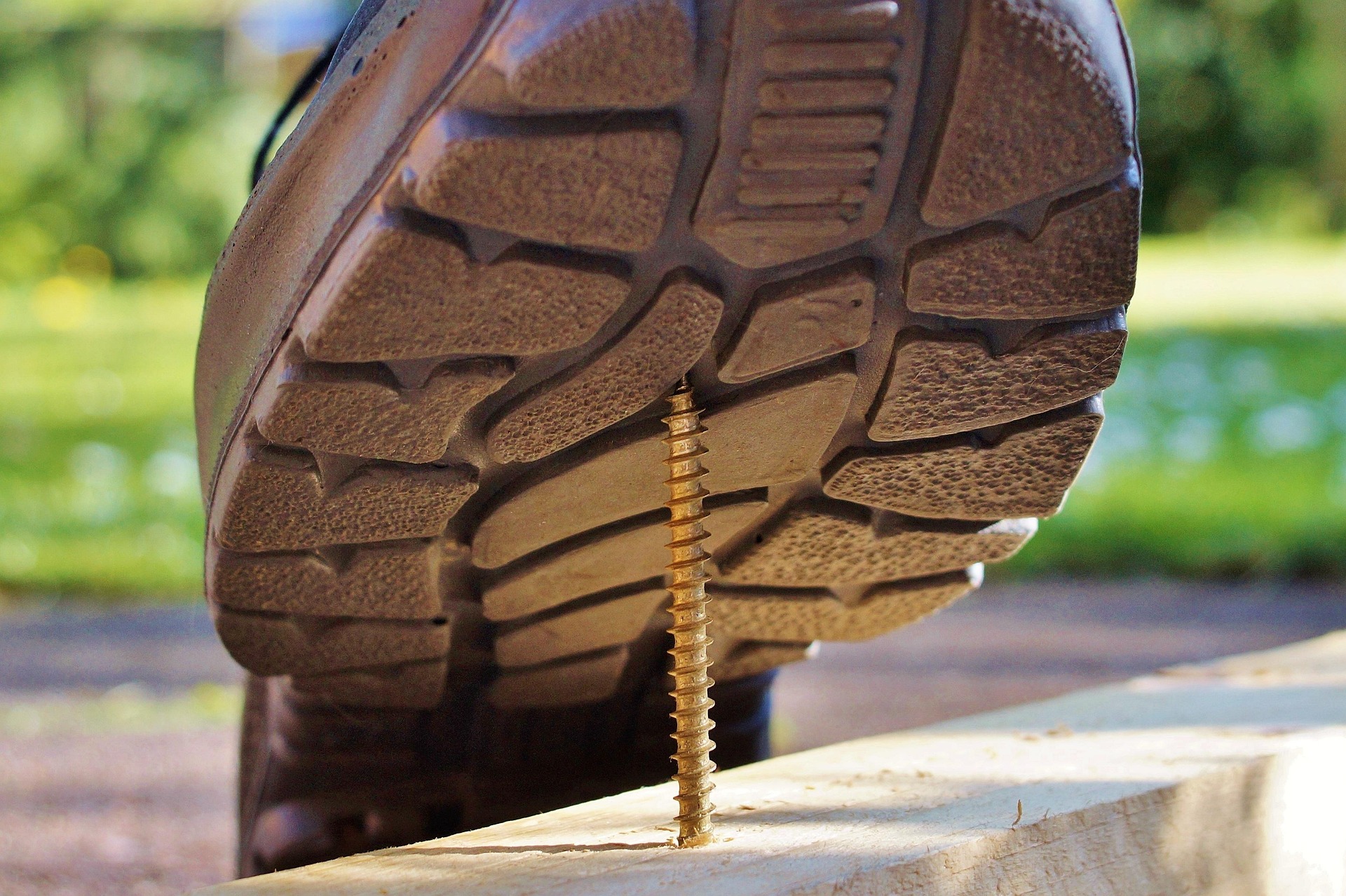
Accident proneness isn’t just a harmless “quirk.” Sure, some people will laugh it off with a sheepish grin, calling themselves a “klutz” and blaming clumsiness on poor coordination or dexterity. But personality can play a role too.
Our research with the WALA (Work Accident Likelihood Assessment) shows that employees most at risk of being fired for unsafe behavior tended to share a combination of traits, including:
- Sensation seeking: A strong craving for novelty and thrills. It goes beyond roller-coasters—it’s the drive behind adrenaline junkies, gamblers, and risk-takers.
- Low harm avoidance: A failure to consider consequences. Crossing the street without looking? That’s the kind of risk a low harm-avoidance person won’t think twice about.
- Low conscientiousness: Linked to carelessness and irresponsibility. Without this trait, success is harder to achieve and accidents easier to cause.
- Poor attention span: Distraction is dangerous. True multitasking is a myth—when focus is split, accidents happen.
- Disregard for rules: The “don’t press the red button” type. Breaking rules may not cause explosions, but it does raise the chance of injury.
- Lack of accountability: Refusing to own mistakes, shifting blame, or ignoring consequences only ensures more accidents down the line.
It’s important to see these traits as a profile, not in isolation. Sensation seeking alone isn’t inherently negative—paired with high conscientiousness, it can produce confident, calculated risk-takers. In fact, jobs like firefighting, rescue work, and policing require some level of sensation seeking, balanced with harm avoidance. The real risk comes when sensation-seeking combines with low conscientiousness and disregard for rules—a dangerous mix in safety-first roles.
Here’s what our study on accident-prone workers revealed:
- 64% would pf accident-prone people quit their job without finding a new one first.
- 80% will bend safety rules to save time or effort.
- 87% believe that rules are made to be broken.
- 91% are easily distracted by things happening around them (phones ringing, conversations).
- Only 9% would intervene if they saw a colleague breaking an important safety rule.
- Only 10% ask for advice from a colleague or supervisor before making risky decisions.
- Only 10% wear their seatbelt every time they are in a car.
- Only 14% stated that they check their work carefully before considering it done.
Screening for accident-related personality traits should be part of any hiring process where safety is critical. It’s far easier (and cheaper) to screen up front than to deal later with workplace accidents — along with the injuries, downtime, costs, and the headache of firing unsafe employees after the fact.
Want to see what WALA (Work Accident Likelihood Assessment) is all about? Request a free trial.
 admArchBlog