
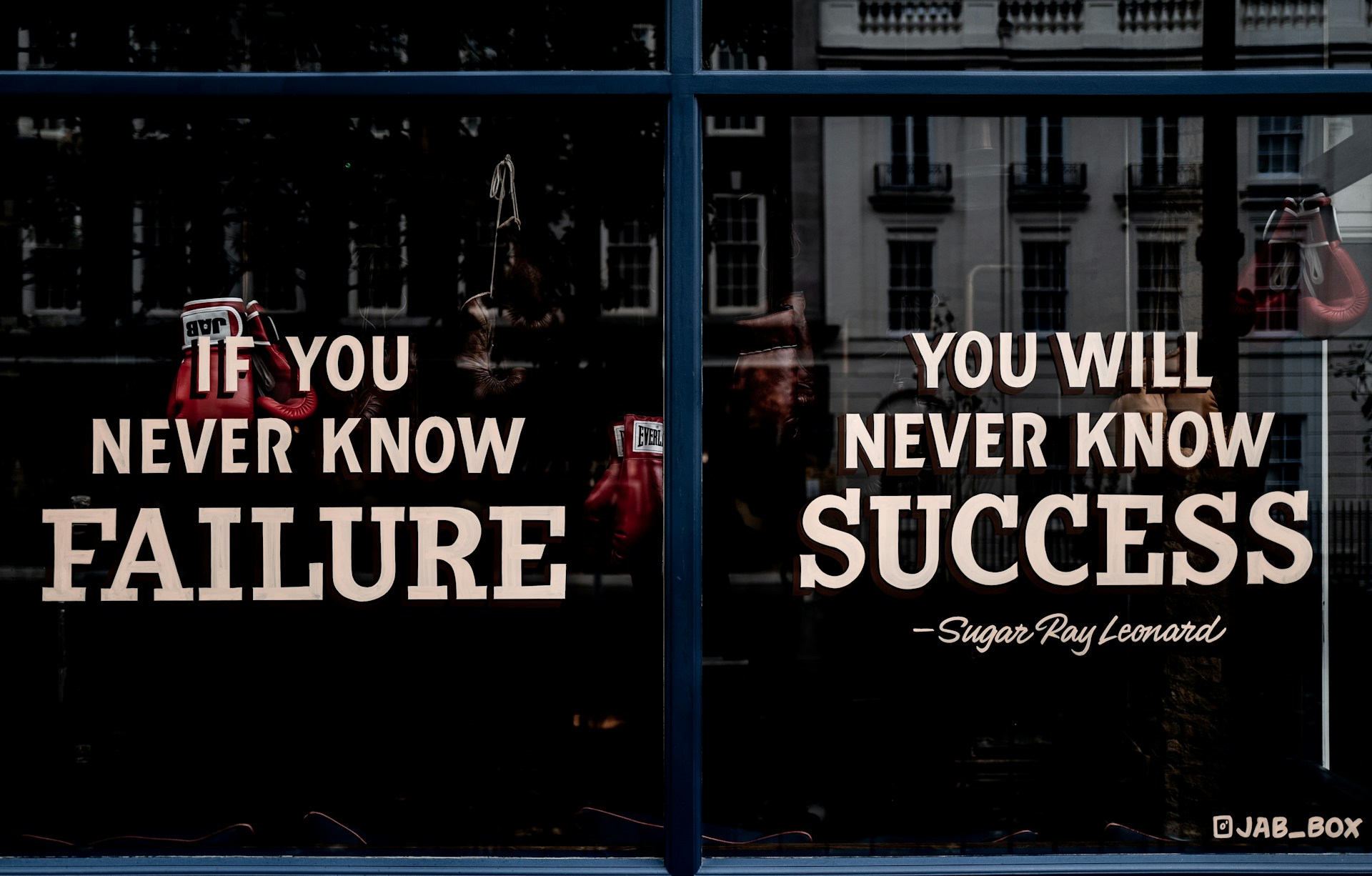
Abraham Lincoln bombed his first shot at politics. Michael Jordan didn’t even make his high school basketball team. Walt Disney? Fired for “lacking creativity.” (Yep—the guy who invented talking mice and fairy-tale empires was apparently too boring for print.)
If these folks had let failure define them, they’d be nobodies in dusty history books instead of household names.
At PsychTests, our research backs this up. In a study with 3,660 people using SEA (Self-Esteem Assessment), we found that people with high self-esteem don’t just face-plant and sulk. They own failure, study it, and squeeze every last drop of learning from it.
Here’s how high self-esteem folks and low self-esteem folks stack up when it comes to failure:
- 84% of high self-esteem people are comfortable admitting mistakes (vs. 36% of the low SE group).
- 73% believe success isn’t everything—doing your best matters more (vs. 22%).
- 89% see value in improving their weaknesses (vs. 53%).
- 89% welcome feedback, even when it’s negative (vs. 48%).
- 91% view failure as a cue to try harder, not a reason to quit (vs. 64%).
For people with low self-esteem…
- 71% of low self-esteem people believe failure makes them an inferior person (vs. just 6% of high SE).
- 66% think a single mistake will cost them other people’s respect (vs. 5%).
- 81% say criticism makes them feel incompetent (vs. 4%).
People with high self-esteem treat failure like stepping on a Lego: it hurts for a second, but then you figure out how to avoid it next time. They see mistakes as lessons, not life sentences—and they’re not afraid to ask for help, try again, or grab some extra training if that’s what it takes.
Low self-esteem folks don’t just step on the Lego—they tattoo it on their foot. Instead of seeing failure as a bump in the road, they merge it into their identity: “I failed at this, therefore I AM a failure.”
Everybody messes up—a lot. Even the people who look perfect on Instagram. Mistakes are how we do better—it’s the same process we all went through as kids learning to walk. Without the falls, there’s no standing tall.
Coaching helps bridge confidence gaps, teaching people to see mistakes as stepping stones instead of stop signs. It’s not about avoiding failure—it’s about bouncing back faster and smarter. Book a 20-minute coaching consultation to learn more about individual, group, and leadership coaching.