|
introduction
graphs
detailed results
career matches
|
| Deb's Matches |
|
|
Here are the list of careers our system has matched Deb with based on her career interests, values, and intelligence types. Make sure to take note of two things:
Recommended Careers: If, based on Deb's personality, values, interests, and intelligence types, she is matched with a career in which she is underqualified (her current education is not sufficient to fit the job requirements), you will see a red graduation cap below the graphs. If she is overqualified (her education is above and beyond what is needed for the job), you will see a yellow graduation cap. A green graduation cap will appear if Deb has the needed education level (e.g. Bachelor), but her degree must be relevant to the field. If this isn't the case, in order to meet the requirements for the job, she will need to attain a degree in one of the areas that will be listed.
Education Percentages: In the description for each job, you will see a graph under the Education title, followed by a percentage, and a type of degree. The percentages indicate the number of people in that particular job that possess the listed degree (i.e. a degree that is relevant to the field). This is important information. If Deb is interested in a job in which most people possess a higher degree than she does, it may be more difficult for her to "get her foot in the door." In such cases, she should consider whether obtaining a higher education would be in her best interest.
Classification of Instructional (CIP) Codes: The purpose of the Classification of Instructional Programs (CIP) is to provide a taxonomic scheme that will support the accurate tracking, assessment, and reporting of fields of study and program completions activity. CIP was developed by the U.S. Department of Education's National Center for Education Statistics (NCES). In the CIP section of each job, you will notice a number of CIP courses and their corresponding codes. This will help Deb if and when she decides to apply to US Universities or Colleges for that particular career. Note that the CIP codes are used in the US, and will be different for other countries if used at all.
|
| Recommended Careers |
Important note: Because a sufficient selection of jobs that fit your profile could not be found, we had to relax some of the matching criteria in order to offer more options. As a consequence, you might receive suggestions for certain careers that don't quite fit your preferences. Here are the criteria that were relaxed: - Knowledge - matching for things you have already learned
|
|
#1 Poets, Lyricists and Creative Writers
|
|
|
|
|
| Description |
|
|
|
Create original written works, such as scripts, essays, prose, poetry or song lyrics, for publication or performance.
|
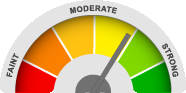 Match
Match
|
|
|
|
| Education |
|
|
|
|
|
|
|
|
|
|
|
|
Based on Deb's interests, this is a good job match for her. If the degree she currently has is in the same field, no further education will be required. If, however, the degree she possesses is not in this field, she will need a relevant major. |
|
|
|
| Tasks |
|
|
- Revise written material to meet personal standards and to satisfy needs of clients, publishers, directors, or producers.
|
- Choose subject matter and suitable form to express personal feelings and experiences or ideas, or to narrate stories or events.
- Plan project arrangements or outlines, and organize material accordingly.
- Prepare works in appropriate format for publication, and send them to publishers or producers.
- Write words to fit musical compositions, including lyrics for operas, musical plays, and choral works.
- Follow appropriate procedures to get copyrights for completed work.
- Write fiction or nonfiction prose such as short stories, novels, biographies, articles, descriptive or critical analyses, and essays.
- Develop factors such as themes, plots, characterizations, psychological analyses, historical environments, action, and dialogue, to create material.
- Confer with clients, editors, publishers, or producers to discuss changes or revisions to written material.
- Conduct research to obtain factual information and authentic detail, using sources such as newspaper accounts, diaries, and interviews.
- Write narrative, dramatic, lyric, or other types of poetry for publication.
- Adapt text to accommodate musical requirements of composers and singers.
- Attend book launches and publicity events, or conduct public readings.
- Write humorous material for publication, or for performances such as comedy routines, gags, and comedy shows.
|
|
|
| Knowledge & Subjects |
|
|
|
|
- Sociology and Anthropology
- Computers and Electronics
|
|
|
| Related Careers |
|
|
15-1134.00 Web Developers
|
17-1012.00 Landscape Architects
19-2011.00 Astronomers
19-3041.00 Sociologists
19-3091.01 Anthropologists
19-3094.00 Political Scientists
27-1022.00 Fashion Designers
27-2041.04 Music Composers and Arrangers
27-3042.00 Technical Writers
27-4032.00 Film and Video Editors
|
| |
| Wages & Employment Trends |
|
|
| * Disclaimer: The following data applies only to the US nationally, and will be different for other countries. |
| Median wages (2011) |
$26.86 US hourly, $55,870.00 US annual |
| Employment (2010) |
40,930 |
| Projected growth (2010-2020) |
Slower than average (3% to 9%) |
| Projected job openings (2010-2020) |
47,600 |
| Top industries (2011) |
Information |
|
|
|
| CIP (Classification of Instructional Codes) |
|
|
| * Note: The following CIP codes are used in the US, and may be different for other countries if used at all. |
| 09.0100 (CIP = Communication, General) |
|
09.0101 (CIP = Speech Communication and Rhetoric)09.0102 (CIP = Mass Communication/Media Studies)23.1301 (CIP = Writing, General)23.1302 (CIP = Creative Writing)23.1304 (CIP = Rhetoric and Composition)23.1399 (CIP = Rhetoric and Composition/Writing Studies, Other)23.1401 (CIP = General Literature)23.1405 (CIP = Children's and Adolescent Literature)23.1499 (CIP = Literature, Other)50.0504 (CIP = Playwriting and Screenwriting)
|
|
|
|
|
| Description |
|
|
|
Write technical materials, such as equipment manuals, appendices, or operating and maintenance instructions. May assist in layout work.
|
 Match
Match
|
|
|
|
| Education |
|
|
|
|
|
|
|
|
|
|
|
|
Based on Deb's interests, this is a good job match for her. If the degree she currently has is in the same field, no further education will be required. If, however, the degree she possesses is not in this field, she will need a relevant major. |
|
|
|
| Tasks |
|
|
- Organize material and complete writing assignment according to set standards regarding order, clarity, conciseness, style, and terminology.
|
- Maintain records and files of work and revisions.
- Edit, standardize, or make changes to material prepared by other writers or establishment personnel.
- Select photographs, drawings, sketches, diagrams, and charts to illustrate material.
- Interview production and engineering personnel and read journals and other material to become familiar with product technologies and production methods.
- Develop or maintain online help documentation.
- Assist in laying out material for publication.
- Study drawings, specifications, mockups, and product samples to integrate and delineate technology, operating procedure, and production sequence and detail.
- Arrange for typing, duplication, and distribution of material.
- Observe production, developmental, and experimental activities to determine operating procedure and detail.
- Review manufacturer's and trade catalogs, drawings and other data relative to operation, maintenance, and service of equipment.
- Analyze developments in specific field to determine need for revisions in previously published materials and development of new material.
- Draw sketches to illustrate specified materials or assembly sequence.
- Review published materials and recommend revisions or changes in scope, format, content, and methods of reproduction and binding.
- Confer with customer representatives, vendors, plant executives, or publisher to establish technical specifications and to determine subject material to be developed for publication.
|
|
|
| Knowledge & Subjects |
|
|
|
|
- Computers and Electronics
- Administration and Management
- Public Safety and Security
- Production and Processing
- Customer and Personal Service
- Engineering and Technology
|
|
|
| Related Careers |
|
|
15-1131.00 Computer Programmers
|
15-1134.00 Web Developers
15-1141.00 Database Administrators
15-1199.03 Web Administrators
17-3012.01 Electronic Drafters
19-4061.00 Social Science Research Assistants
27-1014.00 Multimedia Artists and Animators
27-1024.00 Graphic Designers
27-3043.05 Poets, Lyricists and Creative Writers
27-4032.00 Film and Video Editors
|
| |
| Wages & Employment Trends |
|
|
| * Disclaimer: The following data applies only to the US nationally, and will be different for other countries. |
| Median wages (2011) |
$31.06 US hourly, $64,610.00 US annual |
| Employment (2010) |
45,120 |
| Projected growth (2010-2020) |
Average (10% to 19%) |
| Projected job openings (2010-2020) |
18,300 |
| Top industries (2011) |
Professional, Scientific, and Technical Services |
|
|
|
| CIP (Classification of Instructional Codes) |
|
|
| * Note: The following CIP codes are used in the US, and may be different for other countries if used at all. |
| 09.0908 (CIP = Technical and Scientific Communication) |
|
19.0202 (CIP = Family and Consumer Sciences/Human Sciences Communication)23.1301 (CIP = Writing, General)23.1303 (CIP = Professional, Technical, Business, and Scientific Writing)52.0501 (CIP = Business/Corporate Communications)
|
|
#3 Interpreters and Translators
|
|
|
|
|
| Description |
|
|
|
Interpret oral or sign language, or translate written text from one language into another.
|
 Match
Match
|
|
|
|
| Education |
|
|
|
|
|
|
|
|
|
|
|
|
Based on Deb's interests, this is a good job match for her. If the degree she currently has is in the same field, no further education will be required. If, however, the degree she possesses is not in this field, she will need a relevant major. |
|
|
|
| Tasks |
|
|
- Follow ethical codes that protect the confidentiality of information.
|
- Translate messages simultaneously or consecutively into specified languages, orally or by using hand signs, maintaining message content, context, and style as much as possible.
- Listen to speakers' statements to determine meanings and to prepare translations, using electronic listening systems as necessary.
- Compile terminology and information to be used in translations, including technical terms such as those for legal or medical material.
- Read written materials, such as legal documents, scientific works, or news reports, and rewrite material into specified languages.
- Proofread, edit, and revise translated materials.
- Identify and resolve conflicts related to the meanings of words, concepts, practices, or behaviors.
- Check translations of technical terms and terminology to ensure that they are accurate and remain consistent throughout translation revisions.
- Refer to reference materials, such as dictionaries, lexicons, encyclopedias, and computerized terminology banks, as needed to ensure translation accuracy.
- Train and supervise other translators or interpreters.
- Check original texts or confer with authors to ensure that translations retain the content, meaning, and feeling of the original material.
- Discuss translation requirements with clients and determine any fees to be charged for services provided.
- Adapt translations to students' cognitive and grade levels, collaborating with educational team members as necessary.
- Educate students, parents, staff, and teachers about the roles and functions of educational interpreters.
- Compile information on content and context of information to be translated and on intended audience.
- Adapt software and accompanying technical documents to another language and culture.
- Travel with or guide tourists who speak another language.
|
|
|
| Knowledge & Subjects |
|
|
|
|
- Customer and Personal Service
- Computers and Electronics
- Sociology and Anthropology
- Public Safety and Security
- Administration and Management
|
|
|
| Related Careers |
|
|
19-1031.03 Park Naturalists
|
21-1015.00 Rehabilitation Counselors
25-2011.00 Preschool Teachers, Except Special Education
25-3021.00 Self-Enrichment Education Teachers
25-4021.00 Librarians
25-9041.00 Teacher Assistants
41-3041.00 Travel Agents
43-4061.00 Eligibility Interviewers, Government Programs
43-4161.00 Human Resources Assistants, Except Payroll and Timekeeping
43-6011.00 Executive Secretaries and Executive Administrative Assistants
|
| |
| Wages & Employment Trends |
|
|
| * Disclaimer: The following data applies only to the US nationally, and will be different for other countries. |
| Median wages (2011) |
$21.23 US hourly, $44,160.00 US annual |
| Employment (2010) |
47,950 |
| Projected growth (2010-2020) |
Much faster than average (29% or higher) |
| Projected job openings (2010-2020) |
40,300 |
| Top industries (2011) |
Professional, Scientific, and Technical Services
Educational Services |
|
|
|
| CIP (Classification of Instructional Codes) |
|
|
| * Note: The following CIP codes are used in the US, and may be different for other countries if used at all. |
| 05.0211 (CIP = Deaf Studies) |
|
13.1003 (CIP = Education/Teaching of Individuals with Hearing Impairments Including Deafness)16.0101 (CIP = Foreign Languages and Literatures, General)16.0102 (CIP = Linguistics)16.0103 (CIP = Language Interpretation and Translation)16.0105 (CIP = Applied Linguistics)16.0201 (CIP = African Languages, Literatures, and Linguistics)16.0300 (CIP = East Asian Languages, Literatures, and Linguistics, General)16.0301 (CIP = Chinese Language and Literature)16.0302 (CIP = Japanese Language and Literature)16.0303 (CIP = Korean Language and Literature)16.0304 (CIP = Tibetan Language and Literature)16.0399 (CIP = East Asian Languages, Literatures, and Linguistics, Other)16.0400 (CIP = Slavic Languages, Literatures, and Linguistics, General)16.0401 (CIP = Baltic Languages, Literatures, and Linguistics)16.0402 (CIP = Russian Language and Literature)16.0404 (CIP = Albanian Language and Literature)16.0405 (CIP = Bulgarian Language and Literature)16.0406 (CIP = Czech Language and Literature)16.0407 (CIP = Polish Language and Literature)16.0408 (CIP = Bosnian, Serbian, and Croatian Languages and Literatures)16.0409 (CIP = Slovak Language and Literature)16.0410 (CIP = Ukrainian Language and Literature)16.0499 (CIP = Slavic, Baltic, and Albanian Languages, Literatures, and Linguistics, Other)16.0500 (CIP = Germanic Languages, Literatures, and Linguistics, General)16.0501 (CIP = German Language and Literature)16.0502 (CIP = Scandinavian Languages, Literatures, and Linguistics)16.0503 (CIP = Danish Language and Literature)16.0504 (CIP = Dutch/Flemish Language and Literature)16.0505 (CIP = Norwegian Language and Literature)16.0506 (CIP = Swedish Language and Literature)16.0599 (CIP = Germanic Languages, Literatures, and Linguistics, Other)16.0601 (CIP = Modern Greek Language and Literature)16.0700 (CIP = South Asian Languages, Literatures, and Linguistics, General)16.0701 (CIP = Hindi Language and Literature)16.0702 (CIP = Sanskrit and Classical Indian Languages, Literatures, and Linguistics)16.0704 (CIP = Bengali Language and Literature)16.0705 (CIP = Punjabi Language and Literature)16.0706 (CIP = Tamil Language and Literature)16.0707 (CIP = Urdu Language and Literature)16.0799 (CIP = South Asian Languages, Literatures, and Linguistics, Other)16.0801 (CIP = Iranian Languages, Literatures, and Linguistics)16.0900 (CIP = Romance Languages, Literatures, and Linguistics, General)16.0901 (CIP = French Language and Literature)16.0902 (CIP = Italian Language and Literature)16.0904 (CIP = Portuguese Language and Literature)16.0905 (CIP = Spanish Language and Literature)16.0906 (CIP = Romanian Language and Literature)16.0907 (CIP = Catalan Language and Literature)16.0908 (CIP = Hispanic and Latin American Languages, Literatures, and Linguistics, General)16.0999 (CIP = Romance Languages, Literatures, and Linguistics, Other)16.1001 (CIP = American Indian/Native American Languages, Literatures, and Linguistics)16.1100 (CIP = Middle/Near Eastern and Semitic Languages, Literatures, and Linguistics, General)16.1101 (CIP = Arabic Language and Literature)16.1102 (CIP = Hebrew Language and Literature)16.1103 (CIP = Ancient Near Eastern and Biblical Languages, Literatures, and Linguistics)16.1199 (CIP = Middle/Near Eastern and Semitic Languages, Literatures, and Linguistics, Other)16.1200 (CIP = Classics and Classical Languages, Literatures, and Linguistics, General)16.1202 (CIP = Ancient/Classical Greek Language and Literature)16.1203 (CIP = Latin Language and Literature)16.1299 (CIP = Classics and Classical Languages, Literatures, and Linguistics, Other)16.1301 (CIP = Celtic Languages, Literatures, and Linguistics)16.1400 (CIP = Southeast Asian Languages, Literatures, and Linguistics, General)16.1401 (CIP = Australian/Oceanic/Pacific Languages, Literatures, and Linguistics)16.1402 (CIP = Indonesian/Malay Languages and Literatures)16.1403 (CIP = Burmese Language and Literature)16.1404 (CIP = Filipino/Tagalog Language and Literature)16.1405 (CIP = Khmer/Cambodian Language and Literature)16.1406 (CIP = Lao Language and Literature)16.1407 (CIP = Thai Language and Literature)16.1408 (CIP = Vietnamese Language and Literature)16.1499 (CIP = Southeast Asian and Australasian/Pacific Languages, Literatures, and Linguistics, Other)16.1501 (CIP = Turkish Language and Literature)16.1502 (CIP = Uralic Languages, Literatures, and Linguistics)16.1503 (CIP = Hungarian/Magyar Language and Literature)16.1504 (CIP = Mongolian Language and Literature)16.1599 (CIP = Turkic, Uralic-Altaic, Caucasian, and Central Asian Languages, Literatures, and Linguistics, Other)16.1601 (CIP = American Sign Language (ASL))16.1602 (CIP = Linguistics of ASL and Other Sign Languages)16.1603 (CIP = Sign Language Interpretation and Translation)16.1699 (CIP = American Sign Language, Other)16.9999 (CIP = Foreign Languages, Literatures, and Linguistics, Other)
|
|
#4 Quality Control Analysts
|
|
|
|
|
| Description |
|
|
|
Conduct tests to determine quality of raw materials, bulk intermediate and finished products. May conduct stability sample tests.
|
Match
|
|
|
|
| Education |
|
|
|
|
|
|
|
|
|
|
|
|
Based on Deb's interests, this is a good job match for her. If the degree she currently has is in the same field, no further education will be required. If, however, the degree she possesses is not in this field, she will need a relevant major. |
|
|
|
| Tasks |
|
|
- Conduct routine and non-routine analyses of in-process materials, raw materials, environmental samples, finished goods, or stability samples.
|
- Interpret test results, compare them to established specifications and control limits, and make recommendations on appropriateness of data for release.
- Perform visual inspections of finished products.
- Compile laboratory test data and perform appropriate analyses.
- Complete documentation needed to support testing procedures including data capture forms, equipment logbooks, or inventory forms.
- Calibrate, validate, or maintain laboratory equipment.
- Participate in out-of-specification and failure investigations and recommend corrective actions.
- Supply quality control data necessary for regulatory submissions.
- Receive and inspect raw materials.
- Investigate or report questionable test results.
- Perform validations or transfers of analytical methods in accordance with applicable policies or guidelines.
- Ensure that lab cleanliness and safety standards are maintained.
- Identify quality problems and recommend solutions.
- Write technical reports or documentation such as deviation reports, testing protocols, and trend analyses.
- Review data from contract laboratories to ensure accuracy and regulatory compliance.
- Monitor testing procedures to ensure that all tests are performed according to established item specifications, standard test methods, or protocols.
- Serve as a technical liaison between quality control and other departments, vendors, or contractors.
- Train other analysts to perform laboratory procedures and assays.
- Identify and troubleshoot equipment problems.
- Coordinate testing with contract laboratories and vendors.
|
|
|
| Knowledge & Subjects |
|
|
|
|
- Computers and Electronics
- Production and Processing
- Public Safety and Security
- Customer and Personal Service
|
|
|
| Related Careers |
|
|
11-3051.00 Industrial Production Managers
|
11-3051.01 Quality Control Systems Managers
17-2111.01 Industrial Safety and Health Engineers
17-2111.03 Product Safety Engineers
29-9011.00 Occupational Health and Safety Specialists
29-9012.00 Occupational Health and Safety Technicians
33-2021.01 Fire Inspectors
47-4011.00 Construction and Building Inspectors
53-6051.01 Aviation Inspectors
53-6051.07 Transportation Vehicle, Equipment and Systems Inspectors, Except Aviation
53-6051.08 Freight and Cargo Inspectors
|
| |
| Wages & Employment Trends |
|
|
| * Disclaimer: The following data applies only to the US nationally, and will be different for other countries. |
| Median wages (2011) |
$20.73 US hourly, $43,120.00 US annual |
| Employment (2010) |
58,890 |
| Projected growth (2010-2020) |
Average (10% to 19%) |
| Projected job openings (2010-2020) |
33,500 |
| Top industries (2011) |
Educational Services
Professional, Scientific, and Technical Services |
|
|
|
| CIP (Classification of Instructional Codes) |
|
|
| * Note: The following CIP codes are used in the US, and may be different for other countries if used at all. |
| 41.0000 (CIP = Science Technologies/Technicians, General) |
|
41.0303 (CIP = Chemical Process Technology)41.0399 (CIP = Physical Science Technologies/Technicians, Other)41.9999 (CIP = Science Technologies/Technicians, Other)
|
|
#5 Broadcast News Analysts
|
|
|
|
|
| Description |
|
|
|
Analyze, interpret, and broadcast news received from various sources.
|
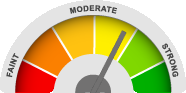 Match
Match
|
|
|
|
| Education |
|
|
|
|
|
|
|
|
|
|
|
|
Based on Deb's interests, this is a good job match for her. If the degree she currently has is in the same field, no further education will be required. If, however, the degree she possesses is not in this field, she will need a relevant major. |
|
|
|
| Tasks |
|
|
- Analyze and interpret news and information received from various sources in order to be able to broadcast the information.
|
- Write commentaries, columns, or scripts, using computers.
- Examine news items of local, national, and international significance in order to determine topics to address, or obtain assignments from editorial staff members.
- Coordinate and serve as an anchor on news broadcast programs.
- Edit news material to ensure that it fits within available time or space.
- Select material most pertinent to presentation, and organize this material into appropriate formats.
- Gather information and develop perspectives about news subjects through research, interviews, observation, and experience.
- Present news stories, and introduce in-depth videotaped segments or live transmissions from on-the-scene reporters.
|
|
|
| Knowledge & Subjects |
|
|
|
|
- Computers and Electronics
- Administration and Management
- Customer and Personal Service
- Sociology and Anthropology
|
|
|
| Related Careers |
|
|
11-2031.00 Public Relations and Fundraising Managers
|
11-3131.00 Training and Development Managers
13-1151.00 Training and Development Specialists
23-1022.00 Arbitrators, Mediators, and Conciliators
25-1081.00 Education Teachers, Postsecondary
25-1121.00 Art, Drama, and Music Teachers, Postsecondary
25-1122.00 Communications Teachers, Postsecondary
25-2031.00 Secondary School Teachers, Except Special and Career/Technical Education
25-2054.00 Special Education Teachers, Secondary School
25-9031.00 Instructional Coordinators
|
| |
| Wages & Employment Trends |
|
|
| * Disclaimer: The following data applies only to the US nationally, and will be different for other countries. |
| Median wages (2011) |
$26.79 US hourly, $55,720.00 US annual |
| Employment (2010) |
5,200 |
| Projected growth (2010-2020) |
Average (10% to 19%) |
| Projected job openings (2010-2020) |
3,000 |
| Top industries (2011) |
Information |
|
|
|
| CIP (Classification of Instructional Codes) |
|
|
| * Note: The following CIP codes are used in the US, and may be different for other countries if used at all. |
| 09.0401 (CIP = Journalism) |
|
09.0402 (CIP = Broadcast Journalism)09.0701 (CIP = Radio and Television)09.0904 (CIP = Political Communication)
|
|
#6 Proofreaders and Copy Markers
|
|
|
|
|
| Description |
|
|
|
Read transcript or proof type setup to detect and mark for correction any grammatical, typographical, or compositional errors. Includes proofreaders of Braille.
|
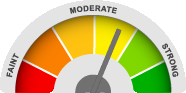 Match
Match
|
|
|
|
| Education |
|
|
|
|
|
|
|
|
|
|
|
|
Based on Deb's interests, this is a good job match for her. If the degree she currently has is in the same field, no further education will be required. If, however, the degree she possesses is not in this field, she will need a relevant major. |
|
|
|
| Tasks |
|
|
- Correct or record omissions, errors, or inconsistencies found.
|
- Mark copy to indicate and correct errors in type, arrangement, grammar, punctuation, or spelling, using standard printers' marks.
- Read corrected copies or proofs in order to ensure that all corrections have been made.
- Compare information or figures on one record against same data on other records, or with original copy, to detect errors.
- Consult reference books or secure aid of readers to check references with rules of grammar and composition.
- Route proofs with marked corrections to authors, editors, typists, or typesetters for correction and/or reprinting.
- Measure dimensions, spacing, and positioning of page elements (copy and illustrations) in order to verify conformance to specifications, using printer's ruler.
- Read proof sheets aloud, calling out punctuation marks and spelling unusual words and proper names.
|
|
|
| Knowledge & Subjects |
|
|
|
|
- Computers and Electronics
- Administration and Management
|
|
|
| Related Careers |
|
|
13-2082.00 Tax Preparers
|
23-2091.00 Court Reporters
41-3041.00 Travel Agents
43-3021.02 Billing, Cost, and Rate Clerks
43-3031.00 Bookkeeping, Accounting, and Auditing Clerks
43-3061.00 Procurement Clerks
43-4031.02 Municipal Clerks
43-4161.00 Human Resources Assistants, Except Payroll and Timekeeping
43-6011.00 Executive Secretaries and Executive Administrative Assistants
43-6012.00 Legal Secretaries
|
| |
| Wages & Employment Trends |
|
|
| * Disclaimer: The following data applies only to the US nationally, and will be different for other countries. |
| Median wages (2011) |
$15.35 US hourly, $31,940.00 US annual |
| Employment (2010) |
11,270 |
| Projected growth (2010-2020) |
Slower than average (3% to 9%) |
| Projected job openings (2010-2020) |
3,300 |
| Top industries (2011) |
Information |
|
|
|
| CIP (Classification of Instructional Codes) |
|
|
| N/A; check o*Net for updated info: http://www.onetonline.org/link/summary/43-9081.00 |
|
|
|
|
|
| Description |
|
|
|
Plan, coordinate, or edit content of material for publication. May review proposals and drafts for possible publication. Includes technical editors.
|
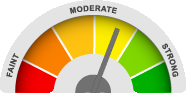 Match
Match
|
|
|
|
| Education |
|
|
|
|
|
|
|
|
|
|
|
|
Based on Deb's interests, this is a good job match for her. If the degree she currently has is in the same field, no further education will be required. If, however, the degree she possesses is not in this field, she will need a relevant major. |
|
|
|
| Tasks |
|
|
- Prepare, rewrite and edit copy to improve readability, or supervise others who do this work.
|
- Verify facts, dates, and statistics, using standard reference sources.
- Read copy or proof to detect and correct errors in spelling, punctuation, and syntax.
- Develop story or content ideas, considering reader or audience appeal.
- Review and approve proofs submitted by composing room prior to publication production.
- Supervise and coordinate work of reporters and other editors.
- Plan the contents of publications according to the publication's style, editorial policy, and publishing requirements.
- Read, evaluate and edit manuscripts or other materials submitted for publication and confer with authors regarding changes in content, style or organization, or publication.
- Allocate print space for story text, photos, and illustrations according to space parameters and copy significance, using knowledge of layout principles.
- Oversee publication production, including artwork, layout, computer typesetting, and printing, ensuring adherence to deadlines and budget requirements.
- Make manuscript acceptance or revision recommendations to the publisher.
- Assign topics, events and stories to individual writers or reporters for coverage.
- Confer with management and editorial staff members regarding placement and emphasis of developing news stories.
- Meet frequently with artists, typesetters, layout personnel, marketing directors, and production managers to discuss projects and resolve problems.
- Monitor news-gathering operations to ensure utilization of all news sources, such as press releases, telephone contacts, radio, television, wire services, and other reporters.
- Select local, state, national, and international news items received from wire services, based on assessment of items' significance and interest value.
- Interview and hire writers and reporters or negotiate contracts, royalties, and payments for authors or freelancers.
- Read material to determine index items and arrange them alphabetically or topically, indicating page or chapter location.
- Arrange for copyright permissions.
|
|
|
| Knowledge & Subjects |
|
|
|
|
- Computers and Electronics
- Administration and Management
- Customer and Personal Service
|
|
|
| Related Careers |
|
|
11-2011.00 Advertising and Promotions Managers
|
15-1134.00 Web Developers
25-4012.00 Curators
27-1011.00 Art Directors
27-1021.00 Commercial and Industrial Designers
27-1022.00 Fashion Designers
27-1025.00 Interior Designers
27-2012.03 Program Directors
27-2012.04 Talent Directors
27-4032.00 Film and Video Editors
|
| |
| Wages & Employment Trends |
|
|
| * Disclaimer: The following data applies only to the US nationally, and will be different for other countries. |
| Median wages (2011) |
$25.18 US hourly, $52,380.00 US annual |
| Employment (2010) |
98,990 |
| Projected growth (2010-2020) |
Little or no change (-2% to 2%) |
| Projected job openings (2010-2020) |
37,000 |
| Top industries (2011) |
Information |
|
|
|
| CIP (Classification of Instructional Codes) |
|
|
| * Note: The following CIP codes are used in the US, and may be different for other countries if used at all. |
| 09.0100 (CIP = Communication, General) |
|
09.0102 (CIP = Mass Communication/Media Studies)09.0401 (CIP = Journalism)09.0402 (CIP = Broadcast Journalism)09.0908 (CIP = Technical and Scientific Communication)09.1001 (CIP = Publishing)09.9999 (CIP = Communication, Journalism, and Related Programs, Other)23.1301 (CIP = Writing, General)23.1302 (CIP = Creative Writing)23.1303 (CIP = Professional, Technical, Business, and Scientific Writing)23.1304 (CIP = Rhetoric and Composition)23.1399 (CIP = Rhetoric and Composition/Writing Studies, Other)23.1401 (CIP = General Literature)23.1405 (CIP = Children's and Adolescent Literature)23.1499 (CIP = Literature, Other)52.0501 (CIP = Business/Corporate Communications)
|
|
#8 Paralegals and Legal Assistants
|
|
|
|
|
| Description |
|
|
|
Assist lawyers by investigating facts, preparing legal documents, or researching legal precedent. Conduct research to support a legal proceeding, to formulate a defense, or to initiate legal action.
|
Match
|
|
|
|
| Education |
|
|
|
|
|
|
|
|
|
|
|
|
Based on Deb's interests, this is a good job match for her. If the degree she currently has is in the same field, no further education will be required. If, however, the degree she possesses is not in this field, she will need a relevant major. |
|
|
|
| Tasks |
|
|
- Prepare affidavits or other documents, such as legal correspondence, and organize and maintain documents in paper or electronic filing system.
|
- Prepare for trial by performing tasks such as organizing exhibits.
- Prepare legal documents, including briefs, pleadings, appeals, wills, contracts, and real estate closing statements.
- Call upon witnesses to testify at hearing.
- Meet with clients and other professionals to discuss details of case.
- Investigate facts and law of cases and search pertinent sources, such as public records, to determine causes of action and to prepare cases.
- Direct and coordinate law office activity, including delivery of subpoenas.
- File pleadings with court clerk.
- Gather and analyze research data, such as statutes, decisions, and legal articles, codes, and documents.
|
|
|
| Knowledge & Subjects |
|
|
|
|
- Computers and Electronics
- Customer and Personal Service
|
|
|
| Related Careers |
|
|
13-1023.00 Purchasing Agents, Except Wholesale, Retail, and Farm Products
|
13-1031.01 Claims Examiners, Property and Casualty Insurance
13-1041.07 Regulatory Affairs Specialists
13-1071.00 Human Resources Specialists
13-1111.00 Management Analysts
13-1161.00 Market Research Analysts and Marketing Specialists
13-2031.00 Budget Analysts
13-2053.00 Insurance Underwriters
43-4131.00 Loan Interviewers and Clerks
43-4161.00 Human Resources Assistants, Except Payroll and Timekeeping
|
| |
| Wages & Employment Trends |
|
|
| * Disclaimer: The following data applies only to the US nationally, and will be different for other countries. |
| Median wages (2011) |
$22.47 US hourly, $46,730.00 US annual |
| Employment (2010) |
252,250 |
| Projected growth (2010-2020) |
Average (10% to 19%) |
| Projected job openings (2010-2020) |
83,400 |
| Top industries (2011) |
Professional, Scientific, and Technical Services |
|
|
|
| CIP (Classification of Instructional Codes) |
|
|
| * Note: The following CIP codes are used in the US, and may be different for other countries if used at all. |
| 22.0302 (CIP = Legal Assistant/Paralegal) |
|
|
|
|
| Description |
|
|
|
Write advertising copy for use by publication or broadcast media to promote sale of goods and services.
|
Match
|
|
|
|
| Education |
|
|
|
|
|
|
|
|
|
|
|
|
Based on Deb's interests, this is a good job match for her. If the degree she currently has is in the same field, no further education will be required. If, however, the degree she possesses is not in this field, she will need a relevant major. |
|
|
|
| Tasks |
|
|
- Write to customers in their terms and on their level so that the advertiser's sales message is more readily received.
|
- Discuss with the client the product, advertising themes and methods, and any changes that should be made in advertising copy.
- Write advertising copy for use by publication, broadcast or internet media to promote the sale of goods and services.
- Present drafts and ideas to clients.
- Vary language and tone of messages based on product and medium.
- Consult with sales, media and marketing representatives to obtain information on product or service and discuss style and length of advertising copy.
- Edit or rewrite existing copy as necessary, and submit copy for approval by supervisor.
- Develop advertising campaigns for a wide range of clients, working with an advertising agency's creative director and art director to determine the best way to present advertising information.
- Write articles, bulletins, sales letters, speeches, and other related informative, marketing and promotional material.
- Conduct research and interviews to determine which of a product's selling features should be promoted.
- Invent names for products and write the slogans that appear on packaging, brochures and other promotional material.
- Review advertising trends, consumer surveys, and other data regarding marketing of goods and services to determine the best way to promote products.
|
|
|
| Knowledge & Subjects |
|
|
|
|
- Customer and Personal Service
- Computers and Electronics
- Administration and Management
|
|
|
| Related Careers |
|
|
11-2011.00 Advertising and Promotions Managers
|
11-2021.00 Marketing Managers
11-9199.01 Regulatory Affairs Managers
23-2011.00 Paralegals and Legal Assistants
25-4012.00 Curators
27-1024.00 Graphic Designers
27-1025.00 Interior Designers
27-2012.04 Talent Directors
27-3011.00 Radio and Television Announcers
27-3041.00 Editors
|
| |
| Wages & Employment Trends |
|
|
| * Disclaimer: The following data applies only to the US nationally, and will be different for other countries. |
| Median wages (2011) |
$26.86 US hourly, $55,870.00 US annual |
| Employment (2010) |
40,930 |
| Projected growth (2010-2020) |
Slower than average (3% to 9%) |
| Projected job openings (2010-2020) |
47,600 |
| Top industries (2011) |
Information |
|
|
|
| CIP (Classification of Instructional Codes) |
|
|
| * Note: The following CIP codes are used in the US, and may be different for other countries if used at all. |
| 09.0100 (CIP = Communication, General) |
|
09.0101 (CIP = Speech Communication and Rhetoric)09.0102 (CIP = Mass Communication/Media Studies)09.0401 (CIP = Journalism)09.0402 (CIP = Broadcast Journalism)09.9999 (CIP = Communication, Journalism, and Related Programs, Other)19.0202 (CIP = Family and Consumer Sciences/Human Sciences Communication)23.1301 (CIP = Writing, General)23.1303 (CIP = Professional, Technical, Business, and Scientific Writing)23.1304 (CIP = Rhetoric and Composition)23.1399 (CIP = Rhetoric and Composition/Writing Studies, Other)52.0501 (CIP = Business/Corporate Communications)
|
|
|
|
|
| Description |
|
|
|
Plan, develop, or conduct surveys. May analyze and interpret the meaning of survey data, determine survey objectives, or suggest or test question wording. Includes social scientists who primarily design questionnaires or supervise survey teams.
|
Match
|
|
|
|
| Education |
|
|
|
|
|
|
|
|
|
|
|
|
Based on Deb's interests, this is a good job match for her. If the degree she currently has is in the same field, no further education will be required. If, however, the degree she possesses is not in this field, she will need a relevant major. |
|
|
|
| Tasks |
|
|
- Support, plan, and coordinate operations for single or multiple surveys.
|
- Review, classify, and record survey data in preparation for computer analysis.
- Determine and specify details of survey projects, including sources of information, procedures to be used, and the design of survey instruments and materials.
- Prepare and present summaries and analyses of survey data, including tables, graphs, and fact sheets that describe survey techniques and results.
- Conduct research to gather information about survey topics.
- Analyze data from surveys, old records, or case studies, using statistical software.
- Produce documentation of the questionnaire development process, data collection methods, sampling designs, and decisions related to sample statistical weighting.
- Hire and train recruiters and data collectors.
- Write training manuals to be used by survey interviewers.
- Collaborate with other researchers in the planning, implementation, and evaluation of surveys.
- Consult with clients to identify survey needs and specific requirements, such as special samples.
- Conduct surveys and collect data, using methods such as interviews, questionnaires, focus groups, market analysis surveys, public opinion polls, literature reviews, and file reviews.
- Direct and review the work of staff members, including survey support staff and interviewers who gather survey data.
- Direct updates and changes in survey implementation and methods.
- Monitor and evaluate survey progress and performance, using sample disposition reports and response rate calculations.
|
|
|
| Knowledge & Subjects |
|
|
|
|
- Customer and Personal Service
- Administration and Management
- Sociology and Anthropology
- Computers and Electronics
- Personnel and Human Resources
|
|
|
| Related Careers |
|
|
11-9121.01 Clinical Research Coordinators
|
13-1081.02 Logistics Analysts
13-2011.02 Auditors
13-2051.00 Financial Analysts
13-2061.00 Financial Examiners
13-2099.02 Risk Management Specialists
13-2099.04 Fraud Examiners, Investigators and Analysts
19-3051.00 Urban and Regional Planners
19-3099.01 Transportation Planners
25-4011.00 Archivists
|
| |
| Wages & Employment Trends |
|
|
| * Disclaimer: The following data applies only to the US nationally, and will be different for other countries. |
| Median wages (2011) |
$19.30 US hourly, $40,150.00 US annual |
| Employment (2010) |
17,060 |
| Projected growth (2010-2020) |
Faster than average (20% to 28%) |
| Projected job openings (2010-2020) |
9,900 |
| Top industries (2011) |
Professional, Scientific, and Technical Services |
|
|
|
| CIP (Classification of Instructional Codes) |
|
|
| * Note: The following CIP codes are used in the US, and may be different for other countries if used at all. |
| 27.0501 (CIP = Statistics, General) |
|
45.0102 (CIP = Research Methodology and Quantitative Methods)45.0601 (CIP = Economics, General)45.0602 (CIP = Applied Economics)52.0601 (CIP = Business/Managerial Economics)52.1302 (CIP = Business Statistics)52.1402 (CIP = Marketing Research)
|
| Additional matches |
|
|
|
|
|
|
|
|
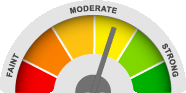
Research, analyze, record, and interpret the past as recorded in sources, such as government and institutional records, newspapers and other periodicals, photographs, interviews, films, electronic media, and unpublished manuscripts, such as personal diaries and letters.
More info: http://www.onetonline.org/link/summary/19-3093.00
|
 Match
Match
|
|
|
|
|
|
|
|
|
|
|
|
#13 Fraud Examiners, Investigators and Analysts
|
|
|
|
|
|
|
|
|
|
|
|
|
|
|
|
|
|
|
|
#15 Morticians, Undertakers, and Funeral Directors
|
|
|
|
|
|
|
|
|
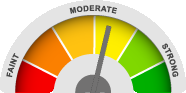
Perform various tasks to arrange and direct funeral services, such as coordinating transportation of body to mortuary, interviewing family or other authorized person to arrange details, selecting pallbearers, aiding with the selection of officials for religious rites, and providing transportation for mourners.
More info: http://www.onetonline.org/link/summary/39-4031.00
|
 Match
Match
|
|
|
|
|
|
|
|
|
|
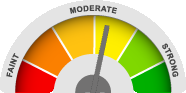
Use verbatim methods and equipment to capture, store, retrieve, and transcribe pretrial and trial proceedings or other information. Includes stenocaptioners who operate computerized stenographic captioning equipment to provide captions of live or prerecorded broadcasts for hearing-impaired viewers.
More info: http://www.onetonline.org/link/summary/23-2091.00
|
 Match
Match
|
|
|
|
|


 80
80


